Building Healthier, Stronger Communities
Zyra Ventures is expanding into ventures that enhance wellbeing for underserved communities through affordable nutrition and accessible preventive healthcare.

Who We Are
Introduction of Zyra Ventures
Zyra was created to make essential healthcare & food accessible and affordable for factory workers. Working closely with PSBL, GHC, and Agroshift, Zyra now serves 34 factories and over 130,000 workers, and together we have built the Shera brand—well-known among worker communities.
Community Outlets
Shopfront outlets inside factories & nearby community gatherings
Delivery Logistics
Delivery vehicles enabling efficient, reliable logistics
Healthcare Verticals
Presence across pharmaceuticals, consumer health, diagnostics & wellbeing
Nationwide Distribution
Distribution points ensuring nationwide reach
Diagnostic & OPD
Fully equipped diagnostic & OPD facilities supporting accessible healthcare
Digital Health Platform
Digital health & ordering platform enabling seamless access to services and products
Free Health Check-Ups
Blood pressure, glucose, anemia, BMI screenings and preventive evaluations
Vaccination Programs
Flu, Hepatitis B, Tetanus, HPV, maternal vaccines for high-risk workers
Health Camps
Quarterly factory-hosted camps with deeper preventive care
Discounted Medicines
OTC medicines, wellness essentials, women’s health & immunity support
Mobile Clinic Service
Fully equipped medical van visiting factories on scheduled days
Health Education
Preventive culture building and worker health trend data reports
What We Offers
Integrated Healthcare
Our comprehensive suite of services delivers preventive healthcare directly to workers, reducing barriers to access and improving health outcomes.
Our Mission
To improve health outcomes for underserved populations—starting with workers and expanding to children and broader communities.
Every individual deserves access to quality healthcare and balanced nutrition. Our mission is rooted in delivering sustainable, worker-centered and community-centered solutions that strengthen wellbeing over time.
The Reality
Bangladesh’s Factory Workers Face Critical Gaps
Health Issues
Fatigue, anemia, joint pain; untreated infections
Healthcare Access
No primary care; factory clinic = first aid only
Nutrition
Low-protein, low-micronutrient diet
Economic Impact
1–2 workdays missed per month due to illness
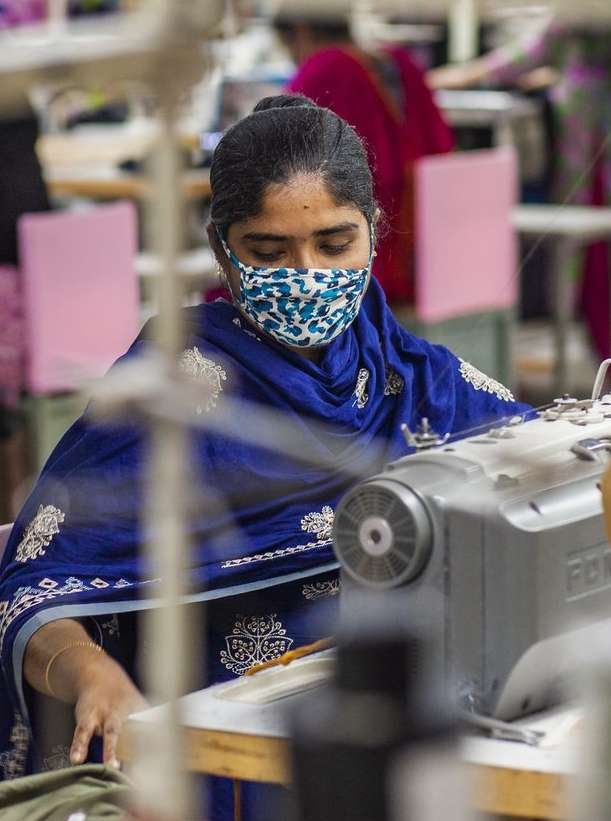
Meet Amina, 27
Sweater Factory Worker, Gazipur
Her story represents 4 million RMG workers in Bangladesh
Market Opportunity
A Massive Unmet Need
Bangladesh’s RMG sector represents one of the largest concentrations of underserved workers, with significant healthcare spending gaps and strong demand for accessible primary care.
$130M
Annual Healthcare Budget
From ~3,500 RMG Factories
$86-190M
Total Addressable Market
Per year healthcare TAM
15
Distribution Hubs
Ensuring nationwide reach
100+
Delivery Vehicles
Efficient, reliable logistics
Screenings Include
Free Basic Health Check-Ups
Blood Pressure
Anemia Screening
Blood Pressure
Blood Glucose
BMI Assessment
Health Education
2F624D Early detection of common chronic conditions and improved health outcomes for factory workers.

Our Progress
Proven Traction & Growth
Our grocery business has demonstrated strong market validation, setting the foundation for integrated healthcare services.
Current Traction
Grocery Business
130K
Worker Universe
93K
Registered Users
~43%
Monthly Conversion
~$22
Average Order Value
1 Year Projection
Grocery + Healthcare
250K
Worker Universe
200K
Registered Users
~55%
Monthly Conversion
~$30
Average Order Value
Go-To-Market Strategy
Why Factory Workers First?
1
High Concentration
4 million RMG workers with unmet healthcare needs
2
Scalable Model
Repeatable acquisition across factory clusters
3
Strong Demand
Workers need reliable, low-cost primary care
4
Budget Gaps
Inadequate factory wellness budgets create opportunity
Regional & Global Comparables
Bangladesh RMG health gaps mirror global underserved-worker contexts. Our approach aligns with proven regional models:
- Mobile health vans for textile workers
- Factory-hosted vaccination & wellness programs
- Women’s health outreach in garment clusters
Shera aligns Bangladesh with proven regional models while filling a large, unmet preventive healthcare gap.
FROM THE BLOG
News
-

Gutenberg Sample Post
Read More: Gutenberg Sample PostThis is some dummy copy. You’re not really supposed to read this dummy copy, it is just a placeholder for people who need some type to visualize what the actual copy might look like if…
-

Testing the Elements
Read More: Testing the ElementsThis is some dummy copy. You’re not really supposed to read this dummy copy, it is just a place holder for people who need some type to visualize what the actual copy might look like…
Our growing footprint.
Delivering preventive healthcare programs at workplaces and communities
Supporting nutrition initiatives for vulnerable groups
Expanding access to diagnostic and early detection services